
Daily Routine for Autistic Child:
A Complete Parent’s Guide (2026)
📋 In This Article
If you are a parent of a child with autism, you already know how much structure and predictability matters to them. A well-planned daily routine is not just helpful — for many autistic children, it is essential for their emotional wellbeing, behaviour, and development.
In this guide, we will walk you through everything you need to know about creating an effective, calming, and practical daily routine for your autistic child — from morning to bedtime.
I created this guide as a mom — because I know exactly how hard it is to find good, practical resources for our children. Everything here is honest, parent-tested, and made with love. 💛
🔒 Why Routine Matters for Autistic Children
Children with Autism Spectrum Disorder (ASD) often experience the world differently. Unpredictable situations, sudden changes, and unclear expectations can trigger significant anxiety and meltdowns. A consistent daily routine helps by:
- Reducing anxiety — When a child knows what to expect next, they feel safe and calm
- Preventing meltdowns — Most meltdowns happen during transitions; routines make transitions predictable
- Building independence — Children learn to follow their day without constant reminders
- Improving sleep — A consistent bedtime routine signals the brain it is time to rest
- Supporting therapy outcomes — Structured time for OT, speech, and ABA improves results
Research from the National Autistic Society consistently shows that structured routines are one of the most effective supports for children on the autism spectrum.
Routine does not mean rigidity. The goal is a predictable framework — not a minute-by-minute schedule that creates pressure. Give your child some flexibility within the structure.
🛠️ How to Create a Daily Routine — Step by Step
Creating the right routine for your child takes a little planning, but once it is in place, it makes your entire family’s life much smoother.
Observe Your Child’s Natural Rhythm
Notice when your child is most alert and calm. Schedule demanding tasks like therapy during their best times, and relaxing activities during low-energy periods.
List All Daily Activities
Write down every activity — wake-up, brushing teeth, breakfast, school, therapy, play, meals, bath, and bedtime. Include all therapy sessions like OT, speech therapy, or ABA.
📸 Common Daily Activities for Autistic Children

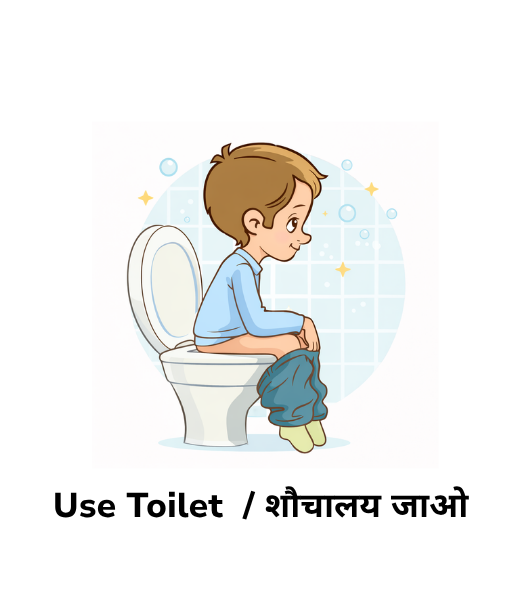


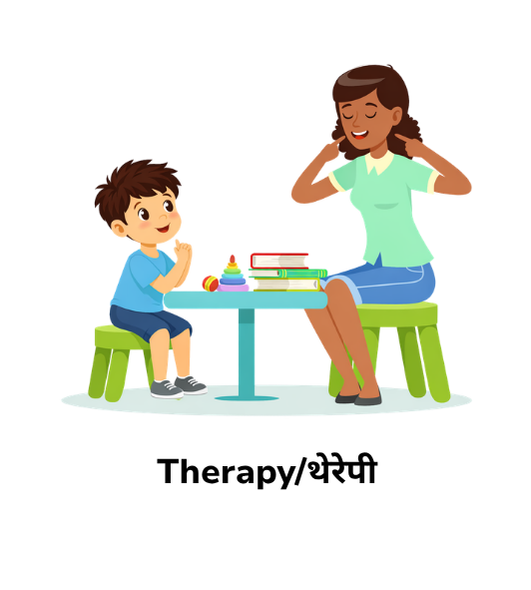

These visual cards are available in our free Autism Resources section 🌈
Set Consistent Times
Assign a specific time to each activity and try to keep it the same every day. Consistency is more important than perfection — even 80% consistency makes a big difference.
Create a Visual Schedule
Autistic children are often visual learners. A picture-based schedule is far more effective than verbal reminders. Use our free Daily Routine Chart Generator to create one in minutes!
Introduce It Slowly
Do not change everything at once. Start with morning and bedtime routine first, then add the rest gradually over 2–3 weeks.
Use Rewards and Positive Reinforcement
Celebrate when your child completes each step. A simple star sticker on their hand after each activity is one of the most recommended reward techniques by therapists — and it works beautifully!
🌈 Create Your Child’s Visual Routine Chart!
Use our Daily Routine Chart Generator — part of our ₹199/month Autism Resources membership. Get unlimited access to the generator + all printable PDFs!
✨ Create My Chart Now →📅 Sample Daily Routine Chart
Here is a sample routine you can adapt for your child. Every child is different — adjust the times and activities to suit your child’s needs and therapy schedule.
| ⏰ Time | 🎯 Activity | 💡 Tips |
|---|---|---|
| 7:00 AM | ⏰ Wake Up | Use a gentle alarm or natural light |
| 7:10 AM | 🪥 Brush Teeth | Use a visual step-by-step brushing chart |
| 7:20 AM | 🚿 Bath / Wash Face | Same products, same order every day |
| 7:40 AM | 👗 Get Dressed | Lay out clothes the night before |
| 8:00 AM | 🥣 Breakfast | Offer predictable, preferred foods |
| 8:30 AM | 🚌 Go to School | Use a “first school, then home” board |
| 12:30 PM | 🍱 Lunch | Consistent meal structure reduces stress |
| 1:00 PM | 🧩 Therapy (OT/Speech/ABA) | Schedule after a short rest time |
| 3:00 PM | 🎮 Free Play | Their reward time — protect it! |
| 5:00 PM | 🏃 Exercise / Movement | Physical activity helps with sensory needs |
| 6:30 PM | 🍽️ Dinner | Family dinner — no screens |
| 7:30 PM | 🛁 Bath Time | Warm bath signals wind-down time |
| 8:00 PM | 📖 Story Time / Calm Time | Same 2–3 books every night |
| 8:30 PM | 🌙 Sleep | Dim lights 30 min before bedtime |
Print this chart and put it at your child’s eye level. Let your child check off each activity as they complete it — this builds independence and gives them a sense of accomplishment! ⭐
🌈 Using Visual Schedules for Autism
A visual schedule is one of the most powerful tools you can use for an autistic child. Instead of telling your child what to do next, you show them with pictures — which is far easier for most children on the spectrum to process.
Why Visual Cards Work
Picture-based cards reduce the need for verbal instructions — which can be difficult for autistic children to process. Each card shows exactly one task with a clear image and label, making it easy for the child to understand and follow independently.
Types of Visual Schedules
- Daily Routine Chart — Shows the full day from morning to bedtime with times and pictures
- First-Then Board — Simple two-step board: “First do this, Then you get that”
- Visual Schedule Cards — Individual picture cards on a board that the child moves to “Done” section
- Mini Schedules — Step-by-step visual for a single task like brushing teeth or getting dressed
At KidsWorksheetLab, we offer a completely free Daily Routine Chart Generator where you can create a personalised visual schedule in minutes. Download our free Communication Cards, First-Then Board, and Emotions Chart too — all designed for children with autism.
💡 Tips for Sticking to the Routine
Movement Breaks are Important!
Include short movement or exercise breaks in the daily routine. Physical activity helps children with autism regulate their sensory system and improves focus during learning and therapy sessions.
- Give advance warnings — Say “5 more minutes, then bath time” to prepare for transitions
- Use a visual timer — Children with autism respond well to seeing time pass visually
- Keep weekends similar — Major weekend changes can cause difficult Monday mornings
- Prepare for changes in advance — Show a “special schedule” the day before any change
- Use star stickers as rewards — Give a star sticker on their hand after each completed step
- Be patient — It can take 4–6 weeks for a new routine to feel natural
- Involve your child — Let them help choose activities or decorate their chart
📄 Free Printable Resources for Autism
Download our free Emotions Chart, First-Then Board, Communication Cards and more — designed for children with autism, ADHD and special needs.
🧩 Explore Free Resources →🛒 Products That Actually Help — And Where to Find Them
Therapists give us wonderful advice — but they often don’t tell us where to find the actual materials needed to implement it at home. As a parent, I have been there — spending hours searching for the right products!
Here are the products that are most commonly recommended by OT and ABA therapists, with honest explanations of why they work — and where to get them easily in India.
Therapists recommend giving an instant reward after each completed routine step — but parents don’t know what to use as a quick, tangible reward that actually excites the child.
A shiny star sticker on the child’s hand after each activity is one of the most recommended techniques in ABA therapy. The child can see it, feel it, and show it — making it a powerful immediate reward that builds routine compliance.
SAMVARDHAN Star Shape Stickers — 1260 Stars (₹178)
10 sheets of multicolour shiny star stickers. Enough for months of daily routine rewards. Loved by parents and teachers across India.
🛒 View on Amazon India* Affiliate link — no extra cost to you. We earn a small commission that helps us keep this website free. 💛
Children with autism often need hands-on, tactile learning tools — but most activity books are too complex, too text-heavy, or not designed for special needs children.
A busy book with reusable velcro stickers gives the child a structured, hands-on activity they can do independently. The velcro element provides sensory feedback that many autistic children find satisfying and calming.
My First Busy Book — 44 Reusable Velcro Stickers (Ages 2+)
Montessori-style busy book covering shapes, colours, farm & zoo animals. Reusable velcro stickers — perfect for repetitive, calming play that builds learning.
🛒 View on Amazon India* Affiliate link — no extra cost to you. 💛
Parents want to make learning fun during routine time, but generic activity books are often too advanced, too cluttered, or not visually appealing for young children with autism.
Simple, colourful sticker activity books that focus on one concept at a time (shapes, colours) are perfect for the “learning time” slot in the daily routine. They are engaging, low-pressure, and develop fine motor skills too.
My First Shapes & Colours Sticker Book (Age 3+)
100+ stickers, simple visuals, and fun activities introducing shapes and colours. Highly rated by parents of young children with special needs.
🛒 View on Amazon India* Affiliate link — no extra cost to you. 💛
Reward charts work — but finding enough stickers to keep the reward system exciting and motivating over weeks and months is a real challenge for parents.
A large variety pack of reward stickers keeps the system fresh and exciting. Children stay motivated when they can choose from different sticker types — stars, smiley faces, animals, and more.
2000+ Reward Stickers Book
The ultimate reward sticker book — 2000+ stickers in one book. Designed to inspire and motivate children. Ideal for daily routine reward systems at home and in the classroom.
🛒 View on Amazon India* Affiliate link — no extra cost to you. 💛
❓ Frequently Asked Questions
Why is a daily routine important for autistic children?
What should a daily routine for an autistic child include?
How do I make a visual schedule for my autistic child?
My child resists following the routine — what should I do?
Should I keep the same routine on weekends?
What age should I start a routine for my autistic child?
🌟 Final Thoughts
Creating a daily routine for your autistic child is one of the most loving and effective things you can do as a parent. It takes time, patience, and consistency — but the results are truly transformative. A predictable, visual routine gives your child the safety and structure they need to thrive.
Start with small steps. Use our free visual schedule tools. Celebrate every win — no matter how small. You are doing an amazing job. 💛
👉 Free Autism Resources — Visual Schedules, Charts & PDFs
👉 Daily Routine Chart Generator — Free & Printable
👉 Worksheet Generator — Custom Worksheets for Kids
👉 About KidsWorksheetLab — Our Story
🚀 Ready to Get Started?
Get instant access to the Daily Routine Chart Generator + all PDFs, Communication Cards, Emotions Chart and more — everything your child needs in one place!
✨ Get Access — ₹199/month →Kya yeh guide aapke kaam aayi? Neeche comment mein zaroor batayein:
- 👉 Aapke bachche ki daily routine mein sabse badi challenge kya hai?
- 👉 Kaunsa tip aapko sabse useful laga?
- 👉 Koi aur resource chahiye jo hum bana sakte hain?
Aapka ek comment hume aur better content banane mein help karta hai! 💛

Yes